


Each company we have profiled here, has been studied from the outside, based on what was on the public record at the time: accounts, filings, parliamentary and regulatory findings, academic research, contemporary press, and what the company said about itself while it was happening.
The lens is our framework, Meridian, which looks at a business the way you would look at a tree.
The results everyone watches sit in the canopy.
These are based on what sits below, in the roots and in the friction between the roots and the canopy.
So each profile finds and dates the one mechanism carrying the weight, shows how many years passed before the accounts agreed, sets the company against a competitor who met the same conditions and chose differently, and asks what an outsider could actually have seen at the time.
Some of these businesses held together and endured. Others came apart. They sit together on purpose, because the mechanism that protected one is usually the same one that failed in another.
Each one ends with something you can check in your own business this week. None of these companies is a client. We have never been inside any of them.
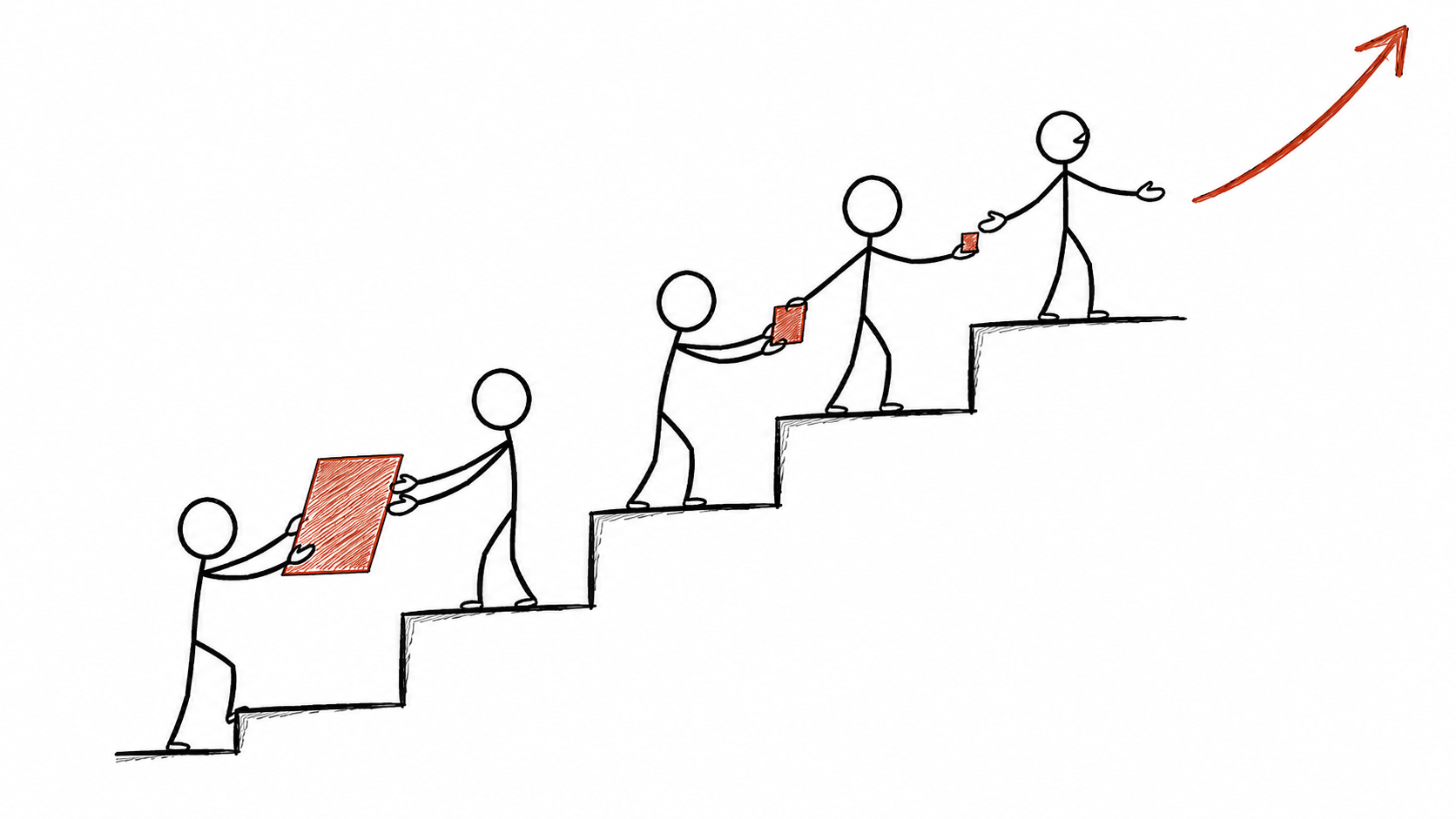
Nokia saw the iPhone coming, but couldn’t act on what it knew about itself
On 10 January 2007, the morning after Steve Jobs held up the first iPhone in San Francisco, people inside Nokia met to work out what they had seen.
The slides from that meeting are public now, held in the Nokia Design Archive at Aalto University, which opened to the world in 2025. The executive summary calls the iPhone a serious high-end competitor. Further down, the deck records that the user interface had been a strength for Nokia, that consumer research showed it slipping, and that urgent action was required. Nokia needed to build a touch interface to fight back, it said, and S60 should remain the focus.
Nokia didn’t fail because it couldn’t see what was coming, it saw the fault line the next morning.
Timo Partanen, then Nokia’s director of market and competitor analysis, was in the room. Speaking to IEEE Spectrum in 2026, he described the mood as untroubled. Apple was another competitor with a good product. If it worked, Nokia would do the same.
The numbers agreed with him.
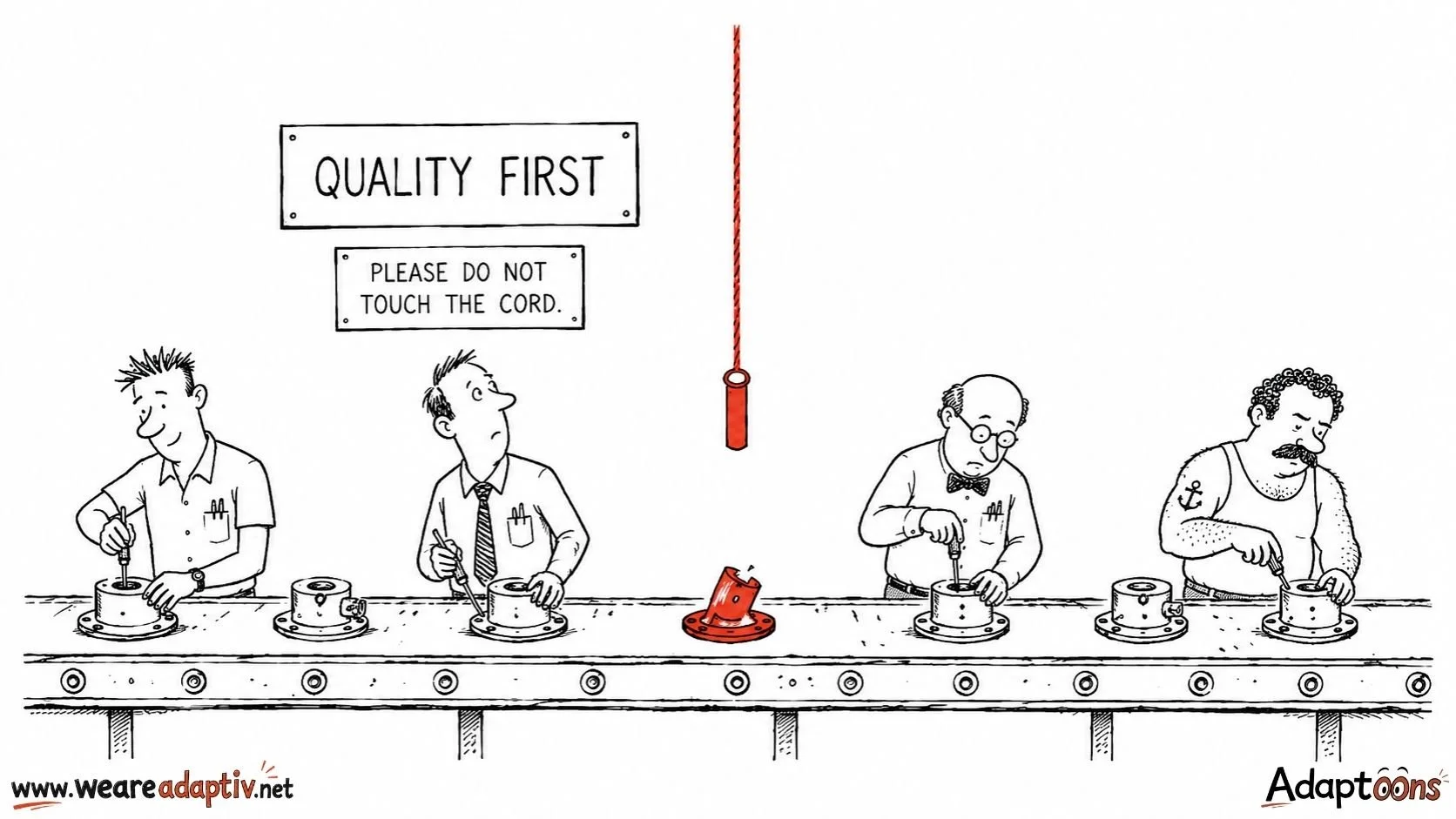
How Toyota turned stopping work into a competitive advantage
Rick Madrid spent seventeen years building Chevrolet trucks at General Motors' plant in Fremont, California. It was among the worst factories in the company. When it closed in 1982 there were more than seven hundred grievances outstanding and absenteeism was running at roughly a quarter of the workforce, according to Paul Adler's study of the plant at the University of Southern California. Madrid drank on shift.