

What it means to actually see an organisation.
Most organisations are looked at constantly. By analysts. By consultants. By boards. By leadership teams reviewing dashboards and quarterly reports. And yet most organisations are rarely seen.
There is a difference between looking and seeing. Looking gathers data from the surface. It measures what is already visible and counts what can be counted. It produces reports that confirm what the organisation already suspects, or that identify symptoms without reaching causes.
Seeing is something different. It requires going beneath the visible layer, into the conditions that produce what the surface reflects. It requires asking not just what is happening but why, and not stopping at the first answer, because the first answer is almost always a description of the canopy rather than an account of the roots.

The number that does not appear in the accounts.
There is a number that determines the future value of almost every organisation. It is embedded in every valuation, every acquisition price, every investment thesis. And it is almost never examined.
It is the assumption that the organisation will continue to deliver.
In standard financial modelling, enterprise value is calculated as the sum of future cashflows, discounted back to the present. In most valuations, somewhere between sixty and eighty percent of that total does not come from the explicit forecast period. It comes from the terminal value, a figure that represents everything the organisation is assumed to generate beyond the forecast horizon, in perpetuity.
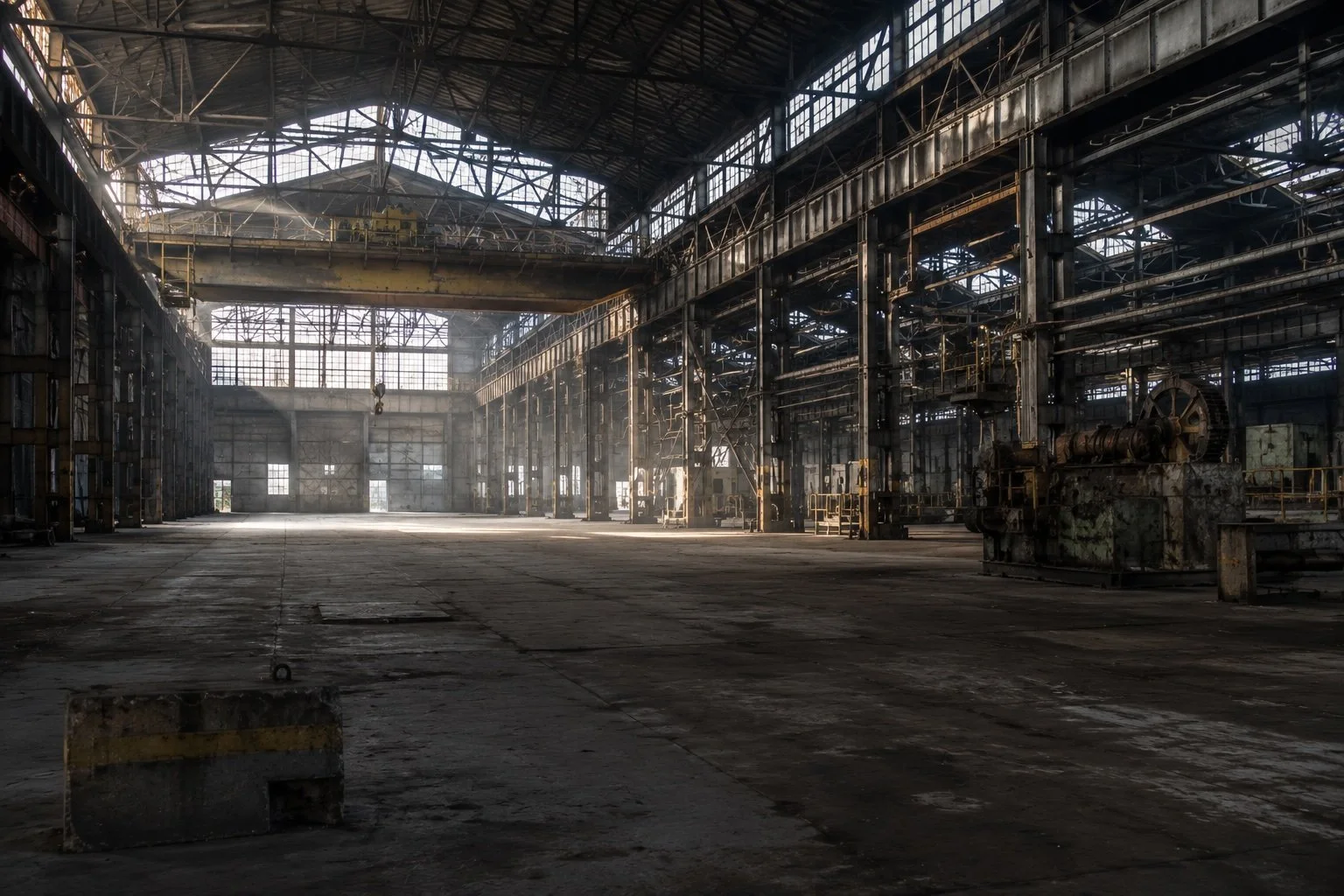
What GE, Boeing and Kodak have in common.
There is a pattern I have come to recognise in the decline of large organisations. It is rarely what it looks like from the outside.
From the outside, collapse tends to appear sudden. A profit warning. A safety scandal. A market position that evaporates faster than anyone anticipated. The financial press looks for a cause, a bad acquisition, a failed strategy, a leadership failure, and usually finds one. That cause becomes the story.
But the story is almost always incomplete.

Why change programmes do not stick.
Most organisations that feel the gap eventually do something about it.
They bring in a consulting firm. Or they commission a leadership programme. Or both. The work is often good. The diagnosis is credible. The recommendations make sense. And then many months later, the same tensions are back. The same conversations are happening in the same rooms. The energy that the intervention generated has quietly dissipated, and the organisation has returned to something close to where it started.
This is one of the most demoralising experiences in organisational life. And it is far more common than anyone in the consulting or leadership development industry likes to acknowledge.

The gap every organisation has, but cannot see
There is a conversation I have had many times with senior decision makers. It goes something like this.
Things are broadly working. Revenue is holding, or growing. The team is capable. The strategy makes sense. And yet something feels off. Decisions take longer than they should. Promising initiatives lose momentum. The same tensions surface in different rooms, wearing different clothes. The organisation is delivering, but not at the level everyone knows it could.
Most leaders I meet can feel this gap. Very few can name it.

Three currents running through our present moment,
Three Currents Running Through Our Present Moment And How to Stay Oriented Within Them
Most people sense it now, even if they struggle to name it.
Something feels both stable and unstable at the same time. Parts of life continue much as before. Work gets done. Markets function. Daily routines hold. And yet, underneath, there is a persistent sense that the ground has shifted, that familiar assumptions no longer quite apply.
The world feels less stable. Institutions feel shakier. The future feels harder to plan for.