What it means to actually see an organisation.

Most organisations are looked at constantly. By analysts. By consultants. By boards. By leadership teams reviewing dashboards and quarterly reports. And yet most organisations are rarely seen.
There is a difference between looking and seeing. Looking gathers data from the surface. It measures what is already visible and counts what can be counted. It produces reports that confirm what the organisation already suspects, or that identify symptoms without reaching causes.
Seeing is something different. It requires going beneath the visible layer, into the conditions that produce what the surface reflects. It requires asking not just what is happening but why, and not stopping at the first answer, because the first answer is almost always a description of the canopy rather than an account of the roots.
From a humanistic perspective, this is harder than it sounds.

Organisations are not machines, or living machines. They are living systems. They carry history. They have inherited assumptions from founders and early decisions that shaped what became possible and what did not. They have developed cultures, which is to say shared patterns of perception and response, that determine what gets noticed and what gets filtered out before it reaches the people who need to act on it.
Those patterns have logic. They made sense at some point, often at a formative moment in the organisation's development, and they persist because they are embedded in the relationships, routines, and rituals that hold the organisation together. Changing them is not a matter of deciding to change them. It requires first understanding what they are, where they came from, and what function they have been serving.
That understanding is what a genuine diagnostic produces. A map of the conditions shaping the organisation's behaviour, expressed in terms that are specific enough to be acted on and honest enough to be trusted. Not a list of problems that need to be fixed.

In practice, this means gathering evidence from multiple layers simultaneously. The formal record, what the organisation says about itself in strategy documents, annual reports, leadership communications. The informal record, what emerges from structured conversations with people at different levels and in different functions, each of whom holds a partial but important view of the whole. And the pattern that sits beneath both, the recurring dynamics, the unresolved tensions, the questions that are consistently not being asked.
It also means holding what surfaces without rushing to conclusions. The instinct in most diagnostic processes is to move quickly from evidence to recommendation, because that is what feels useful. But premature conclusions are often just the canopy wearing analytical clothing. The conditions that matter most take time to become visible, and they reveal themselves through pattern rather than incident.
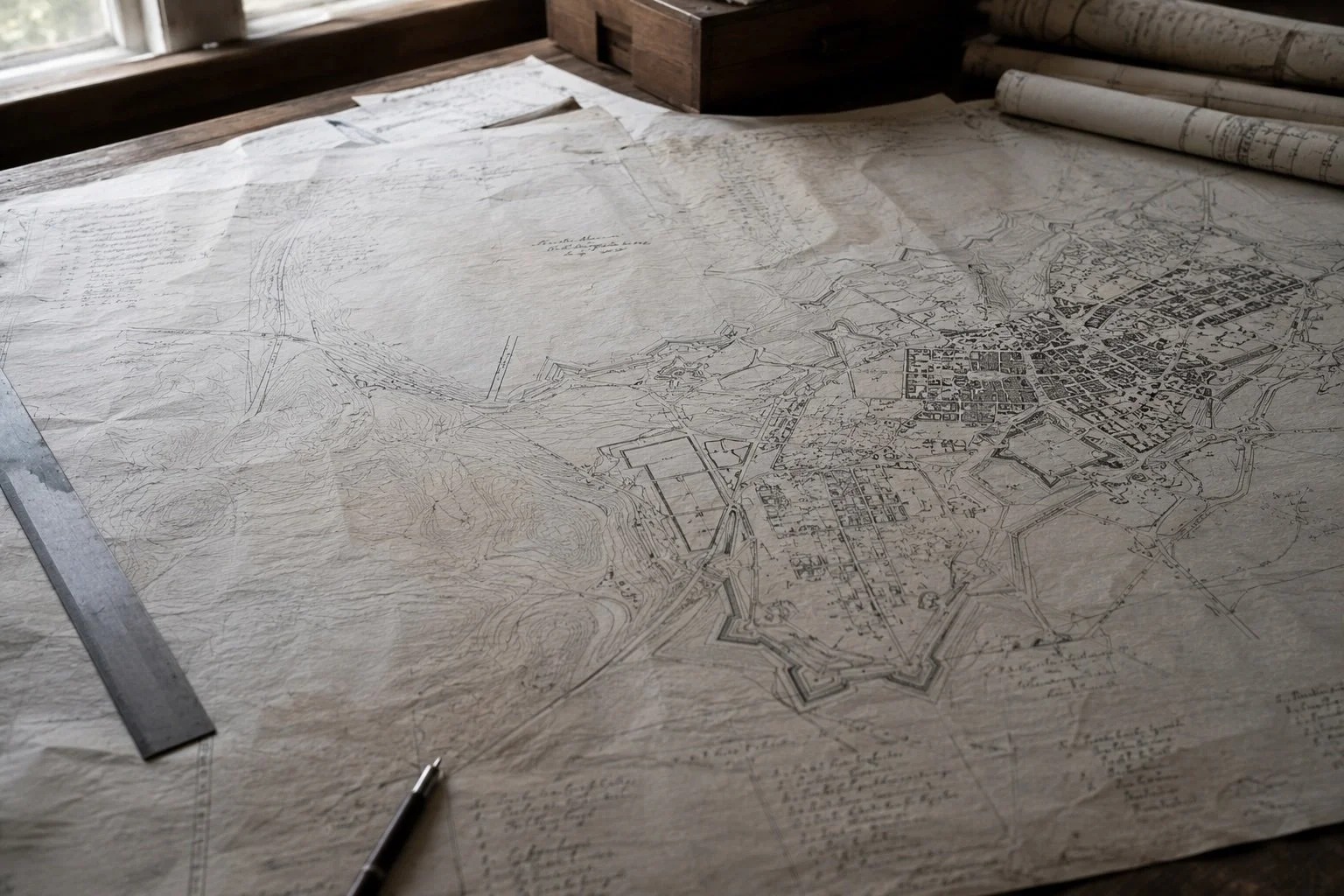
What emerges from a genuine diagnostic is not a report in the conventional sense. It is a new kind of legibility. Leaders who have been inside the organisation, sometimes for decades, find themselves able to see dynamics they had sensed but could not name. Boards gain a structured language for conversations they have been having in fragments. Investors and advisors receive something they currently cannot access anywhere else: an account of whether the organisation can actually deliver what its financial model assumes.
That legibility is not the end of the work. It is the beginning. But it is the beginning that most organisations skip, moving instead to intervention before understanding, to change before clarity, to action before sight.
The gap between what an organisation is capable of and what it currently delivers is not fixed. It responds to the right kind of attention. But the right kind of attention starts here, with an honest, structured, and courageous willingness to see what is actually there.
If this series has resonated, the natural next step is a conversation. Thirty minutes to explore whether what we do is relevant to what you are navigating. You can request that conversation by mailing me at amit@weareadaptiv.net.